
The short answer
Most Milpitas homes do well with either a correctly sized central AC or a heat pump that cools in summer and heats in winter. A heat pump often makes more sense here because Bay Area air rules will push future furnace replacements toward electric heat. We size each system to the specific house, explain the options, and confirm any current incentives before quoting them.
If your Milpitas home has never had air conditioning, or your current system is on its last legs, a new installation is a big decision. MasterFix HVAC Repair Service is based in San Jose, about 10 miles south, and we install cooling systems for homes across ZIP code 95035. This page covers what matters for a Milpitas installation: sizing the system to your house, choosing between a central air conditioner and a heat pump, what the work involves, and where incentives stand right now.
Why Cooling Needs Vary Across Milpitas Homes
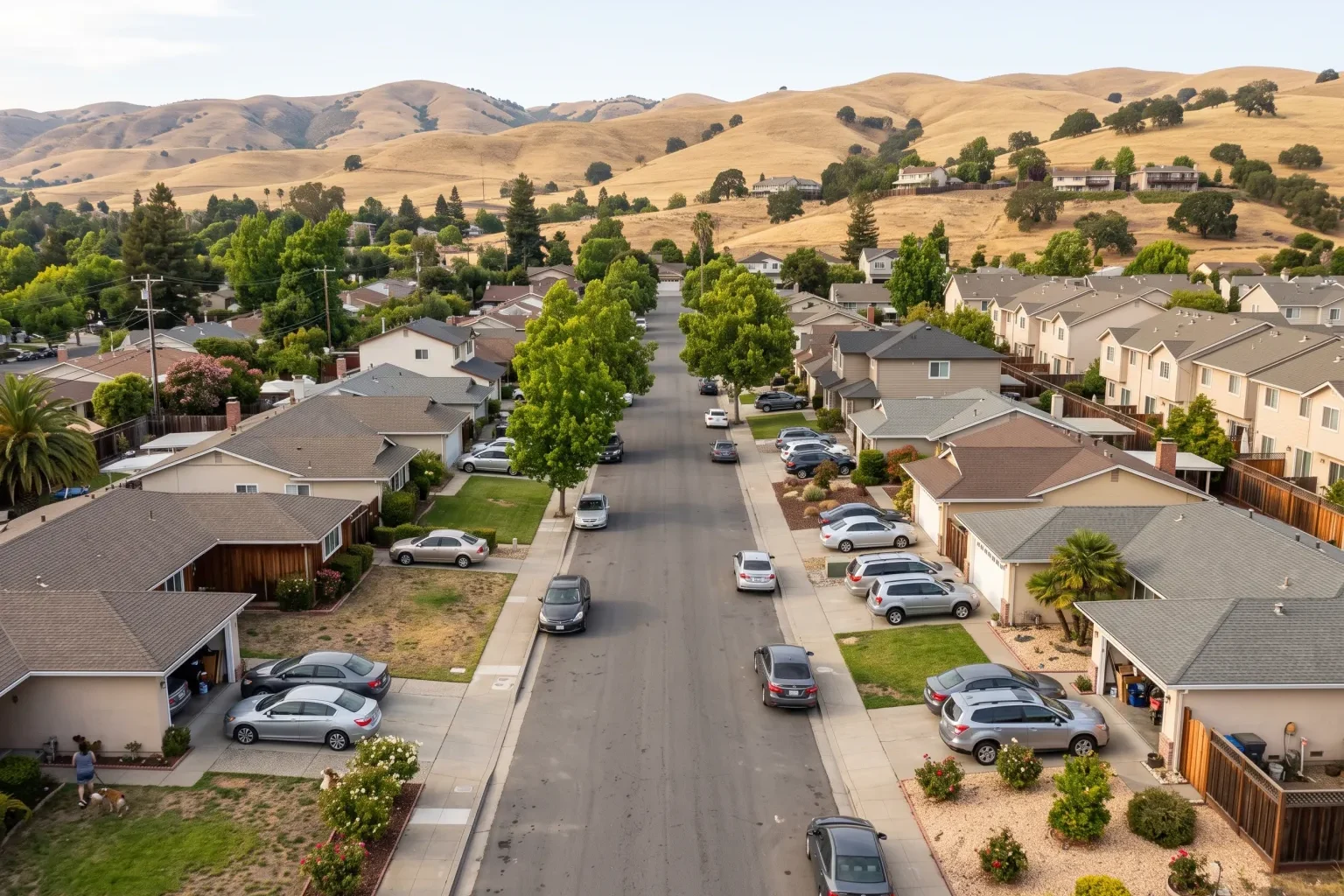
The Santa Clara Valley has a Mediterranean climate: dry summers and mild, damp winters. Summer heat isn't uniform across the valley, though. Inland and southern areas run noticeably hotter than neighborhoods closer to the Bay, so two houses of the same size can need different amounts of cooling.
That's why we don't size a system by square footage alone. A unit that's too large cycles on and off quickly, cools unevenly, and leaves the air feeling clammy. A unit that's too small runs constantly on hot afternoons and still can't keep up. We look at the details of your house so the system matches how it actually gains and holds heat.
- Which way the house faces and how much afternoon sun hits it
- Window size, type, and shading
- Attic insulation and air leaks
- Ceiling height and open floor plans
- Upstairs rooms that run warmer than the rest of the house
Central AC or Heat Pump: Which Fits Your Home?
A central air conditioner only cools. It pairs with a furnace that handles heating. A heat pump uses the same basic equipment to cool in summer and then runs in reverse to heat in winter. With Milpitas winters as mild as they are, a heat pump can usually carry the whole heating load on its own.
There's also a planning reason to think about this now. Under Bay Area Air District Rule 9-4, natural gas furnaces manufactured from 2029 on must meet a zero-NOx emission standard. In practice, that points homeowners toward heat pumps when a furnace is replaced after that date. If your furnace is getting older, putting in a heat pump now can take care of cooling and heating in one project.
That said, the rule doesn't force anyone to replace working equipment. It only applies when an existing furnace fails or gets replaced. If your furnace is in good shape and you just want cooling, a central AC is still a reasonable choice. We'll lay out both options honestly so you can decide.
What an AC Installation Involves
Installing a new system is more than setting a unit in the side yard. We check whether your existing setup can support it, and we tell you about anything that needs attention before the work starts, not halfway through.
- Load calculation to size the system for your specific house
- Ductwork inspection for leaks, crushed runs, and undersized returns
- Electrical check to confirm your panel and circuits can handle the new equipment
- Choosing a spot for the outdoor unit that has good airflow and works with your yard
- Installing the outdoor unit, indoor coil or air handler, refrigerant lines, and thermostat
- Startup testing for airflow, refrigerant charge, and temperature split, plus a walkthrough of how to run the system
Incentives and Tax Credits: Where Things Stand
The federal Energy Efficient Home Improvement Credit (25C) covered qualifying heat pumps placed in service before December 31, 2025. It isn't available for new installations after that date, so don't plan your budget around it.
Bay Area homeowners can still look into BayREN and their local clean energy provider for heat pump and electrification incentives. Amounts and availability change with each funding cycle, so we confirm what's actually being offered before we include it in a quote.
Scheduling Your Milpitas Installation
We start with a visit to your home to look at the house, the ductwork, and the electrical setup. Then we walk you through the system options that fit. Booking in spring, before the first hot stretch, usually gives you the most flexibility on timing. If an older system quits in the middle of a heat wave, we also offer 24/7 emergency service.
Along with Milpitas, we serve nearby Fremont, Santa Clara, Sunnyvale, Mountain View, and Campbell.
More services in Milpitas
- AC Repair in MilpitasLocal service & repairs
- Heating Repair in MilpitasLocal service & repairs
- Heat Pump Installation in MilpitasLocal service & repairs
- Furnace Repair in MilpitasLocal service & repairs